Egypt represents one of humanity’s most fascinating destinations, where civilization’s earliest achievements remain visible in monuments that have survived millennia. This extraordinary country offers travelers opportunities to walk among ancient wonders, experience diverse landscapes from fertile valleys to vast deserts, and engage with a culture that honors both ancient traditions and contemporary life.
The Historical Foundations of Egyptian Civilization
Egyptian civilization emerged along the Nile River over 5,000 years ago, developing into one of history’s most influential cultures. The ancient Egyptians created hieroglyphic writing, advanced mathematics, sophisticated medical practices, and monumental architecture that continues to inspire wonder. The unification of Upper and Lower Egypt around 3100 BCE established a centralized kingdom ruled by pharaohs who were considered divine intermediaries between gods and humans.
The Old Kingdom period, often called the Age of Pyramids, witnessed construction of Egypt’s most iconic monuments. Between 2686 and 2181 BCE, pharaohs commissioned massive pyramid complexes as eternal resting places. The Giza plateau holds the most famous examples: the Great Pyramid of Khufu, the Pyramid of Khafre, and the Pyramid of Menkaure. These structures required enormous resources and labor forces, demonstrating the pharaohs’ ability to mobilize Egyptian society toward monumental projects.
The precision achieved in pyramid construction remains remarkable. The Great Pyramid’s base is nearly perfectly level, its sides align closely with cardinal directions, and blocks weighing several tons fit together with minimal gaps. Ancient builders accomplished this without modern technology, relying instead on careful planning, astronomical observations, and ingenious mechanical solutions. Visitors who explore Giza tours and attractions stand before these engineering marvels, connecting directly with ancient achievements that have endured for over 4,500 years.
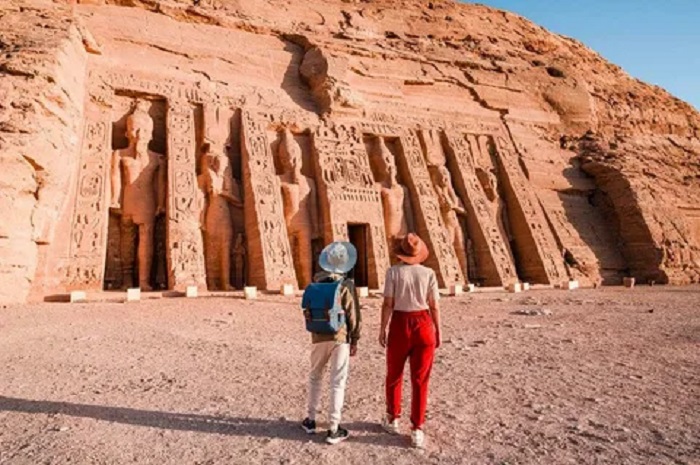
The Middle Kingdom brought cultural refinement and territorial expansion, while the New Kingdom established Egypt as an imperial power. Pharaohs like Thutmose III conquered territories from Nubia to Syria, and Ramses II left monuments throughout Egypt including the massive temples at Abu Simbel. The Valley of the Kings became the royal necropolis, containing elaborately decorated tombs filled with treasures for the afterlife. Egypt’s influence extended throughout the ancient Mediterranean, with Egyptian art, religion, and technology affecting Greek, Roman, and Near Eastern cultures.
Egypt’s Remarkable Geographic Features
Egypt’s geography centers on the Nile River, which flows northward through the country for approximately 1,500 kilometers before emptying into the Mediterranean Sea. This great river has sustained Egyptian civilization since prehistoric times, providing water for irrigation, fertile soil from annual floods, and transportation routes connecting Upper and Lower Egypt. The Nile’s importance cannot be overstated—without this river, Egypt would be entirely desert wasteland.
The narrow Nile Valley, flanked by desert cliffs and plateaus, contains most of Egypt’s agricultural land and archaeological sites. Ancient Egyptians built their cities and temples along the river, taking advantage of its resources while staying above flood levels. The Nile Delta, where the river branches into multiple distributaries, is incredibly fertile and densely populated. This region produces much of Egypt’s agricultural output including rice, cotton, and vegetables.
Egypt’s deserts cover approximately 96% of the country’s territory. The Western Desert, part of the Sahara, extends westward to Libya and features spectacular landscapes. The White Desert near Farafra Oasis contains surreal chalk rock formations carved by wind and sand. The Black Desert gets its name from volcanic rocks covering its hills. Several oases dot the Western Desert, including Siwa, Bahariya, Farafra, Dakhla, and Kharga, each supporting communities that have maintained distinctive cultures for centuries.
The Eastern Desert stretches between the Nile and the Red Sea, characterized by rugged mountains and ancient wadis. The Red Sea Mountains rise to over 2,000 meters, creating a formidable barrier that ancient Egyptians crossed to reach mineral deposits and maritime trade routes. The Red Sea coast offers some of the world’s finest coral reefs, with clear waters, abundant marine life, and excellent diving conditions. Resort towns like Hurghada, Marsa Alam, and Sharm El-Sheikh cater to water sports enthusiasts and beach lovers.
The Sinai Peninsula forms a land bridge between Africa and Asia, featuring Mount Sinai’s sacred peak and Saint Catherine’s Monastery at its base. The peninsula’s southern tip contains pristine reefs and beautiful beaches, while its interior holds rugged mountains and desert valleys. This geographic diversity means travelers can experience multiple distinct environments within Egypt’s borders.
Climate Patterns and Cultural Life
Egypt experiences a hot desert climate across most of its territory, with minimal rainfall and abundant sunshine year-round. Summer extends from May through September, bringing intense heat particularly to southern regions. Temperatures in Aswan and Luxor frequently exceed 40°C (104°F), occasionally reaching 45°C (113°F) or higher. Cairo and the Delta experience somewhat lower temperatures but suffer from high humidity that makes heat feel more oppressive. Coastal regions benefit from sea breezes that moderate temperatures and improve comfort.
Winter months from November through March provide the most comfortable conditions for tourism. Daytime temperatures typically range from 15-25°C (59-77°F), perfect for exploring archaeological sites and engaging in outdoor activities. However, winter nights can be surprisingly cold, especially in desert areas and Upper Egypt where temperatures may drop to 5°C (41°F) or below. Visitors should pack layers for temperature fluctuations between day and night.
Rainfall is minimal throughout most of Egypt, with many areas receiving less than 25 millimeters annually. The Mediterranean coast experiences more precipitation during winter months, supporting more diverse vegetation than interior regions. Spring occasionally brings the khamsin, hot winds from the Sahara carrying sand and dust that reduce visibility and create uncomfortable conditions for several days. Understanding these climate patterns helps travelers choose appropriate timing and pack suitable clothing. Many travelers find that planning vacations in egypt during shoulder seasons of March-April or October-November provides excellent weather while avoiding peak season crowds and prices.
Egyptian society combines ancient traditions with Islamic culture and modern influences. Over 100 million people inhabit Egypt, making it the Arab world’s most populous nation. The vast majority are Sunni Muslims, while Coptic Christians form approximately 10% of the population. Religion profoundly influences daily life, with mosques broadcasting prayer calls five times daily and religious festivals marking the calendar. Ramadan, the Islamic holy month, brings significant changes as Muslims fast from dawn to sunset, with social life and commerce intensifying after sunset.
Family forms the cornerstone of Egyptian society, with extended families maintaining close relationships and providing mutual support networks. Respect for elders is fundamental, and family obligations typically take precedence over individual preferences. Egyptian hospitality is legendary, with hosts often extending generous invitations to share tea, meals, or simply conversation. This warmth creates wonderful opportunities for cultural exchange and meaningful interactions with local people.
Egyptian Arabic serves as the primary language, though Modern Standard Arabic appears in formal contexts and English is increasingly common among educated Egyptians and those in tourism sectors. Egyptian cuisine reflects agricultural abundance and historical trade connections, featuring dishes like koshari, ful medames, ta’ameya, and molokhia. Fresh bread accompanies virtually every meal, while sweet tea and strong coffee serve as social lubricants. Markets overflow with spices, produce, and traditional crafts, functioning as both commercial and social centers where people gather to shop, socialize, and exchange news.
Practical Guidance for Travelers
Successful Egyptian travel requires thoughtful preparation, cultural sensitivity, and realistic expectations about conditions in a developing country. While independent travel is certainly possible for experienced travelers, many visitors discover that organized tours provide superior value and experiences. Professional Egypt Private Tour Packages offer knowledgeable guides who provide historical context that transforms ruins into vivid windows on the past, handle complex logistics including transportation and accommodations, facilitate cultural interactions, and help navigate situations where language barriers or cultural differences might cause confusion.
Important considerations for Egyptian adventures include:
- Visa Procedures: Most visitors can obtain visas on arrival at Egyptian airports for approximately $25 USD payable in cash, or apply for e-visas online before departure. Ensure your passport remains valid for at least six months beyond your intended departure date. Carry photocopies of your passport and visa separate from originals as backup.
- Health Precautions: While no vaccinations are legally required, hepatitis A and typhoid vaccines are recommended for most travelers. Drink only bottled water with sealed caps and avoid ice unless certain it’s made from purified water. Be cautious with street food initially, allowing your system to adjust gradually. Pack comprehensive first-aid supplies including anti-diarrheal medication, oral rehydration salts, pain relievers, and any prescription medications in original packaging.
- Appropriate Clothing: Pack lightweight, breathable, modest clothing that covers shoulders and knees. Long, loose garments provide sun protection while respecting cultural norms. Women should bring lightweight scarves for covering hair when entering mosques. Comfortable walking shoes with good support are essential for archaeological sites with uneven surfaces. Include sun hats, quality sunglasses, and high-SPF sunscreen.
- Money Management: The Egyptian Pound (EGP) is the official currency. ATMs are widely available in cities and tourist areas, offering competitive exchange rates though your bank may charge fees. Carry cash in small denominations as making change can be difficult. Credit cards work at hotels and upscale establishments but cash remains necessary for smaller shops, markets, and tips.
- Best Travel Seasons: November through February offers the most comfortable temperatures but also brings peak tourist crowds and highest prices. March through April and September through October provide excellent compromises with warm but manageable weather, moderate crowds, and reasonable prices. Summer brings intense heat but dramatically lower prices and nearly empty archaeological sites.
- Safety Awareness: Egypt has made substantial security investments, with visible presence at tourist sites and hotels. Tourist areas are generally safe, though standard precautions apply: secure valuables, avoid displaying expensive items, stay aware of surroundings, and be alert for common tourist scams including unofficial guides and inflated prices.
- Transportation: Domestic flights connect major cities efficiently and often cost less than ground transportation when time is valued. Trains link Cairo with Luxor and Aswan, with first-class and sleeper options providing reasonable comfort. Ride-hailing apps work well in major cities, offering transparent pricing. Nile cruises provide luxurious travel between Luxor and Aswan while visiting riverside temples.
- Staying Connected: Purchase local SIM cards at airports for affordable data and local calls. Major carriers include Vodafone, Orange, and Etisalat. WiFi is available at most hotels and many cafes, though quality varies. Download offline maps, translation apps, and important documents before traveling to remote areas.
- Cultural Sensitivity: Learn basic Arabic phrases like “as-salamu alaykum” (peace be upon you), “shukran” (thank you), and “min fadlak” (please). Remove shoes when entering mosques and some homes. Dress modestly at religious sites. During Ramadan, avoid eating, drinking, or smoking in public during daylight hours. Always request permission before photographing people.
- Photography Guidelines: Most archaeological sites permit photography, though some charge separate camera fees beyond entrance tickets. Flash photography is prohibited in tombs and museums to preserve ancient pigments and materials. Never photograph military installations, police stations, bridges, or government buildings. Drone usage requires difficult-to-obtain government permits.
- Tipping Practices: Baksheesh is deeply embedded in Egyptian culture. Appropriate amounts include 50-100 EGP per day for tour guides, 30-50 EGP daily for drivers, 10-15% for restaurant servers, 10-20 EGP per bag for hotel porters, and 5-10 EGP for minor services like restroom attendants. Keep small denomination bills readily available for tipping.
- Bargaining Skills: Bargaining is expected in markets and with informal vendors but not in shops with posted prices. Initial asking prices often run two to four times the expected final price. Begin by offering roughly half the asking price and negotiate pleasantly. Never start bargaining unless genuinely interested in purchasing, and honor agreed prices.
Egypt presents challenges including intense heat, occasional crowds, persistent vendors, and infrastructure that sometimes falls short of Western standards. Cultural differences may create misunderstandings, and language barriers can complicate interactions. However, these minor inconveniences pale in comparison to the extraordinary privilege of experiencing monuments that have endured for millennia, sailing on waters that sustained civilization since prehistory, exploring vibrant markets, and engaging with warm, hospitable people proud to share their heritage.
Success requires flexibility, patience, and genuine curiosity about different ways of living. Approach unexpected situations as adventures rather than problems. Maintain realistic expectations about service standards and infrastructure. Those who engage respectfully with Egyptian culture discover that Egypt offers not merely archaeological wonders but meaningful human connections and profound insights into civilization’s origins and development.
Begin your Egyptian adventure with proper preparation and excitement for discoveries ahead. Whether you explore for a week or longer, whether you join organized tours or travel independently, whether you focus on ancient monuments or contemporary culture, Egypt will exceed expectations and create lasting memories. The land of the pharaohs awaits with timeless treasures and genuine hospitality.